
So you're thinking about buying a manufactured home in Texas. That's exciting! But before you pick out paint colors and plan your housewarming party, there's something important to learn about: foundation rules.
Your home's foundation is what keeps it safe and stable. In Texas, there are rules about how manufactured homes must be set up. These rules can affect your loan, your permits, and even where you can place your home.
Don't worry. We'll break it all down in simple terms. Here are five things you need to know about foundation rules when buying a manufactured home in Texas.
1. You Might Need a Permanent Foundation to Get a Loan
Let's start with money. If you need a loan to buy your manufactured home, your foundation type matters a lot.
Most loan programs want your home on a permanent foundation. This includes popular options like FHA loans and VA loans. These are government-backed loans that many first-time buyers use.
So what counts as a permanent foundation? Here are the most common types:
- Slab foundation: A flat, thick layer of concrete poured on the ground
- Crawl space foundation: A raised foundation with space underneath for access to pipes and wires
- Basement foundation: A full underground level below your home
Pier and beam foundations can sometimes work too. But they often need extra paperwork. An engineer may need to check and certify them.
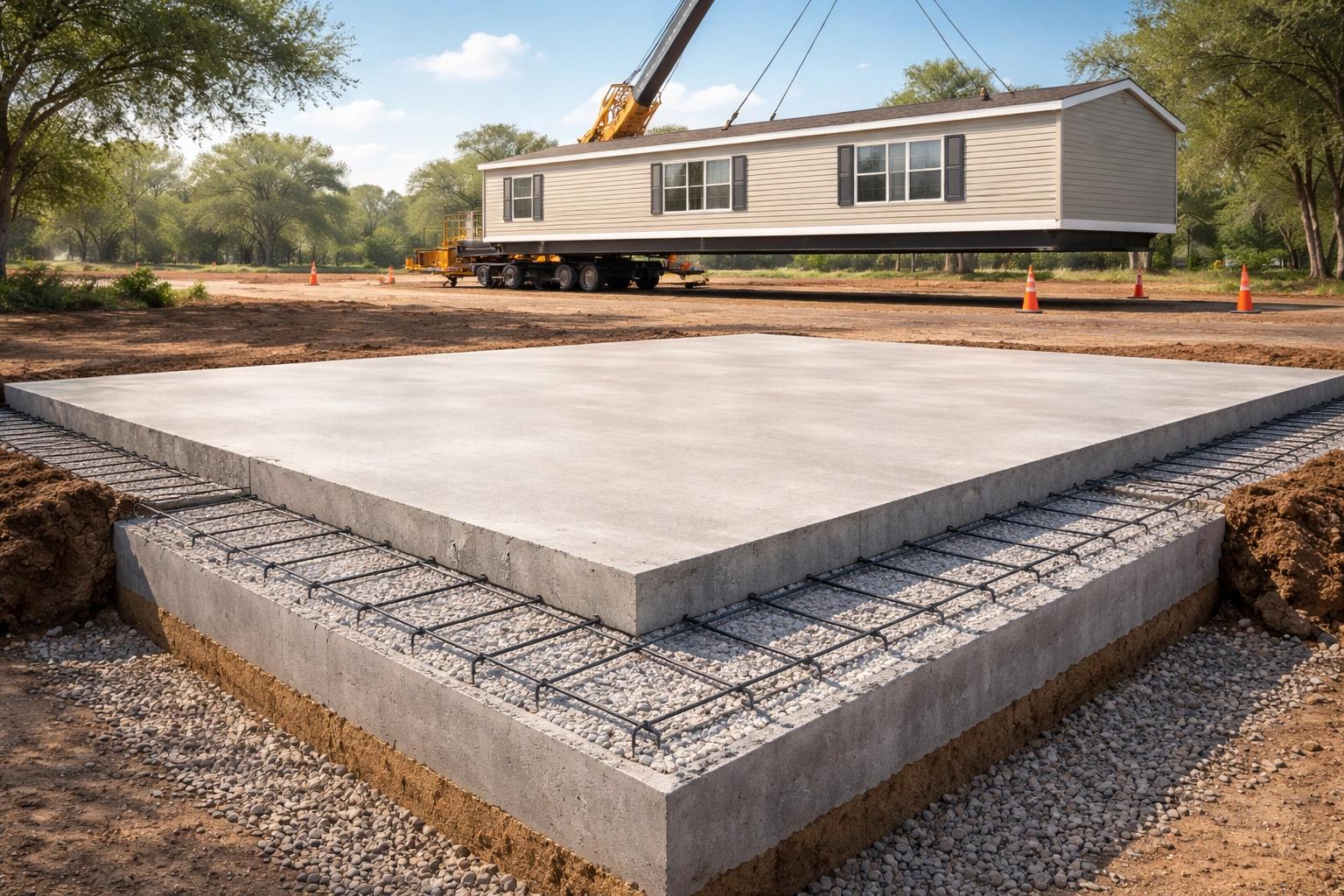
Here's why this matters: a permanent foundation can turn your manufactured home into "real property." That's a fancy way of saying it's treated more like a regular house. This can help you get better loan terms and even tax benefits down the road.
If you're a first-time buyer, check out our guide to financing options for manufactured homes. It explains your choices in plain language.
2. Texas Requires a Licensed Installer
In Texas, you can't just set up a manufactured home yourself. The state has rules about who can do the job.
All new manufactured homes must be installed by a licensed installer. This person must be bonded with the Texas Department of Housing and Community Affairs (TDHCA). The TDHCA has a special team called the Manufactured Housing Division that keeps track of these things.
The installer must also follow the home maker's approved instructions. These instructions come from something called DAPIA. That stands for Design Approval Primary Inspection Agency. Basically, it means the setup plan was checked and approved.
Why does this matter to you? A licensed installer knows the rules. They make sure your home is set up safely and legally. If something goes wrong later, you want to know the job was done right.
Need to find a licensed installer? You can call the TDHCA at 877-313-3023. They can point you in the right direction.
3. You'll Need Multiple Permits Before Setup
Before your manufactured home can be placed on your lot, you need permits. Think of permits as official permission slips from your local government.
In Texas, you may need several types of permits when buying a manufactured home in Texas:
- Building permits: For the foundation or any related structures
- Electrical permits: For connecting your home to power
- Plumbing permits: For hooking up water and sewer lines

Each county or city has its own permit office. Some places make the process easy. Others have more steps. The key is to ask questions early. Don't assume you know what's needed.
Your installer or the community where you're placing your home can often help. At Piney Woods, we guide our residents through these steps. It's part of what makes buying a manufactured home in Texas easier when you choose the right community.
Want to know more about what to look for? Read our post on how to choose the right manufactured home community.
4. Local Rules Can Be Stricter Than Federal Rules
Here's something that surprises many buyers. The federal government has rules for manufactured home foundations. These come from HUD, which stands for the Department of Housing and Urban Development.
But your local area can have even stricter rules.
Some counties don't allow certain foundation types at all. Others ask for extra inspections. Some want an engineer's report before you can build.
This means what works in one Texas county might not fly in another. You can't assume the rules are the same everywhere.
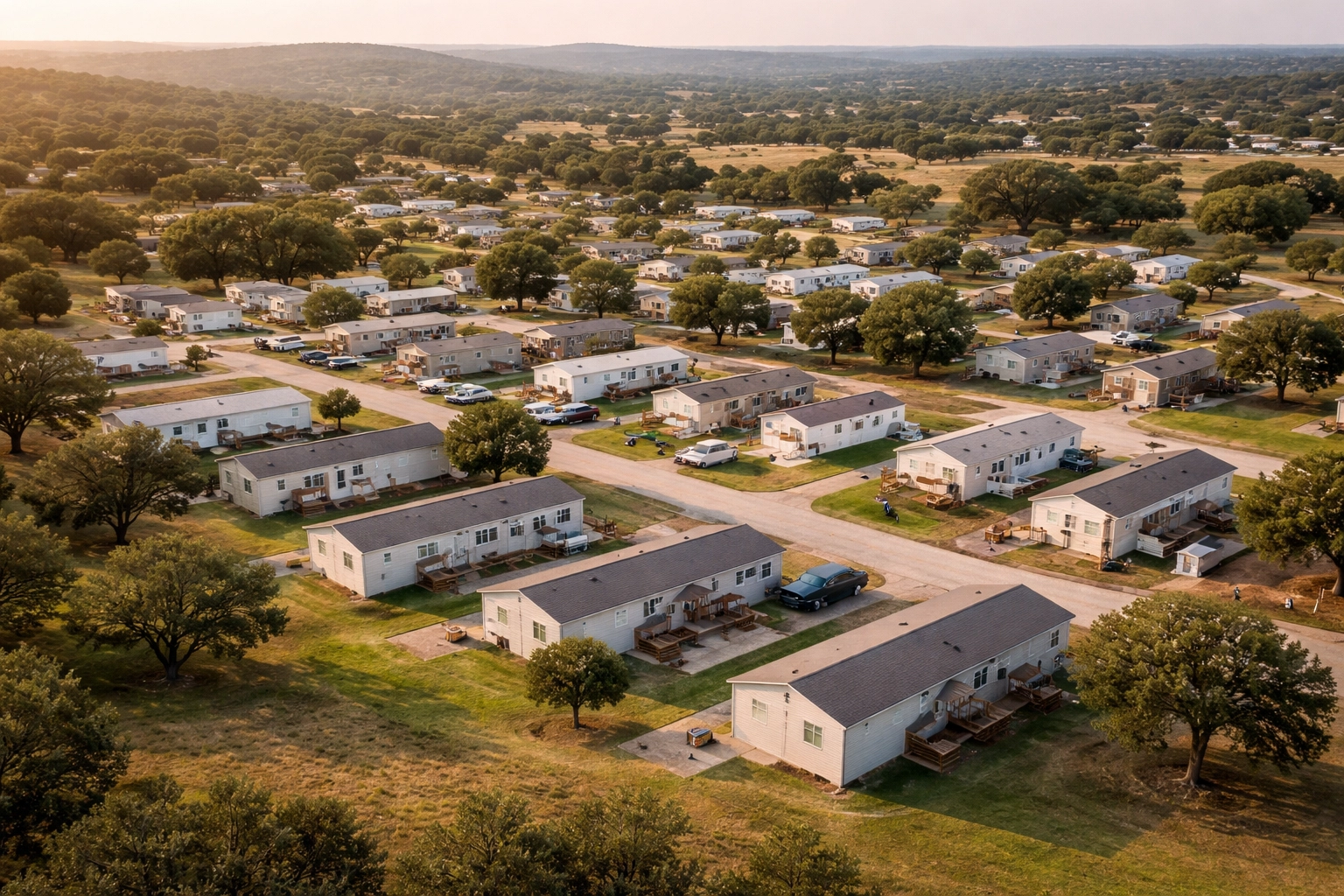
Before you buy land or pick a spot for your home, do your homework. Call your local building department. Ask these questions:
- What foundation types are allowed here?
- What permits do I need?
- Are there any special inspections required?
- Do I need an engineer's report?
Taking this step early can save you time, money, and headaches later.
5. Floodplain Locations Have Special Rules
Does your property sit in or near a floodplain? If so, get ready for extra requirements.
A floodplain is an area that's more likely to flood. Texas has many of these areas. If your land is in one, your foundation design must account for flood risks.
Here's what you might need to provide:
- Architectural plans: Detailed drawings of your home setup
- Site plans: Maps showing where the floodplain is on your property
- Flood venting plans: If your foundation design needs special openings to let floodwater pass through
- Elevation certification: Proof that your finished home sits at the right height above flood level
In some counties, like Travis County, you must submit elevation certification within 30 days of finishing construction. That's a tight timeline, so plan ahead.
Not sure if your land is in a floodplain? Your local government can tell you. You can also check FEMA flood maps online.
Buying a manufactured home in Texas is a smart choice for many families. But if your land has flood risks, make sure you understand the extra steps involved.
Why Foundation Rules Matter for Your Investment
You might be wondering why all these rules exist. The short answer: safety and value.
A proper foundation keeps your home stable during storms. It protects against shifting soil. It helps your home last longer.
It also protects your investment. A home on a good foundation holds its value better. It's easier to sell later. And as we mentioned, it can qualify as real property, which opens up more financing options.
At Piney Woods Manufactured Home Community, we help buyers understand these details. Our goal is to make homeownership easy and affordable. When you're part of a supportive community, the process feels less overwhelming.
If you're new to manufactured homes, you might also enjoy our post that debunks common myths about manufactured housing. It clears up a lot of confusion.
Your Next Steps
Buying a manufactured home in Texas is a great way to own a home without breaking the bank. But foundation rules are part of the process. Here's a quick recap of what to remember:
- Many loans require a permanent foundation
- Texas requires a licensed, bonded installer
- You'll need building, electrical, and plumbing permits
- Local rules may be stricter than federal guidelines
- Floodplain properties have extra requirements
Take time to research your specific location. Ask questions. Work with people who know the process.
Ready to learn more about manufactured home living? Visit Piney Woods Manufactured Home Community to see what we offer. We're here to help you find your perfect home.