If you're house hunting in the Houston area, you've probably felt the sticker shock of apartment prices lately. With rent climbing higher every year and your monthly payments disappearing into your landlord's pocket, you might be wondering if there's a better way to get more space for your dollar.
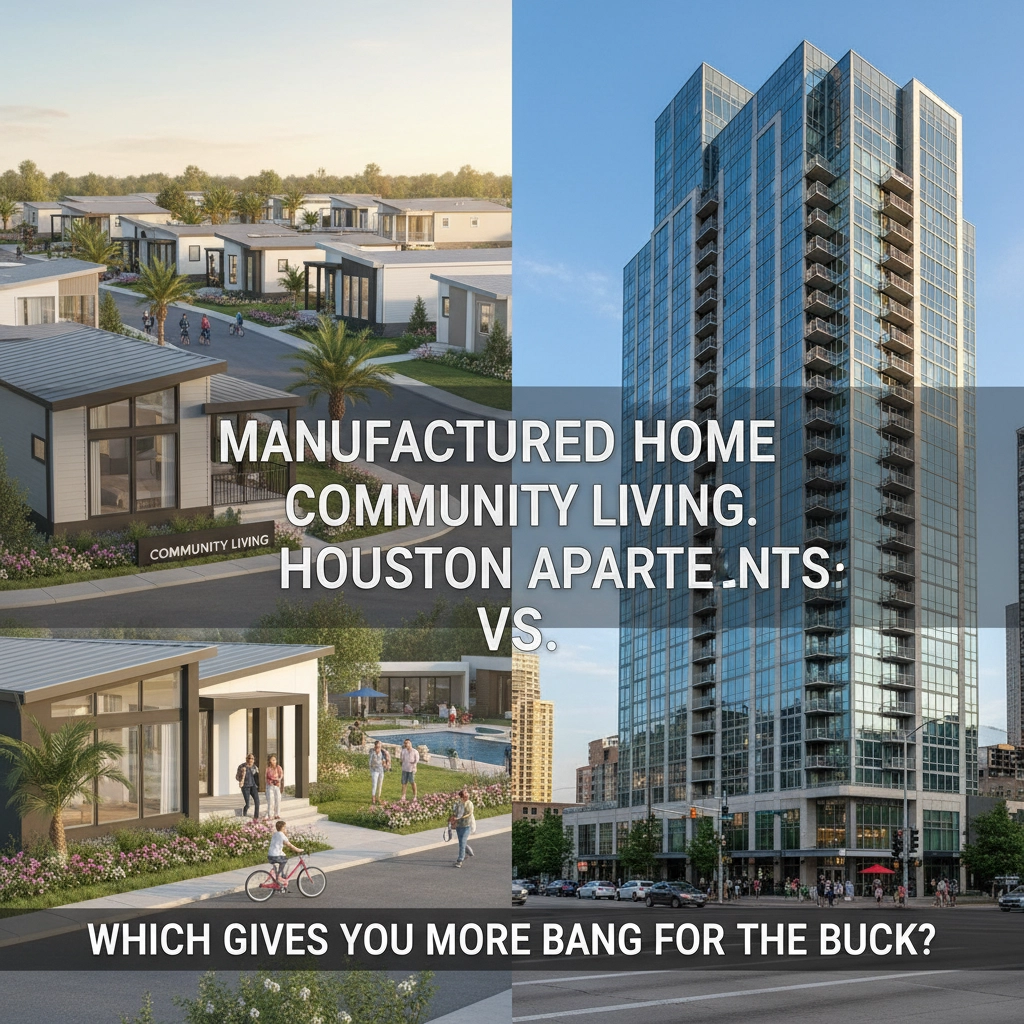
That's where manufactured home communities come into play. But how do they really stack up against traditional apartment living? Let's dive into the nitty-gritty of costs, lifestyle, and long-term value to help you figure out which option gives you the biggest bang for your buck.
The Real Cost Breakdown: What You're Actually Paying
When most people compare housing costs, they only look at the monthly payment. But that's just scratching the surface. Let's get real about what you're actually spending.
Apartment Living Costs:
The average one-bedroom apartment in the Houston area runs around $1,200-$1,500 per month, and that's before you factor in utilities, parking fees, pet deposits, and all those sneaky little charges that add up. Plus, there's usually a security deposit upfront that can be anywhere from $500 to a full month's rent.
Manufactured Home Community Costs:
Here's where things get interesting. While you'll have a higher upfront cost to purchase your manufactured home, your monthly lot rent typically ranges from $300-$500. Add in utilities and you're still looking at significantly less than apartment rent in most cases.

The math is pretty compelling when you crunch the numbers. Even factoring in maintenance costs and the initial home purchase, you're often looking at 40-50% less in monthly housing expenses compared to apartment living.
Space: Where Your Money Really Shows
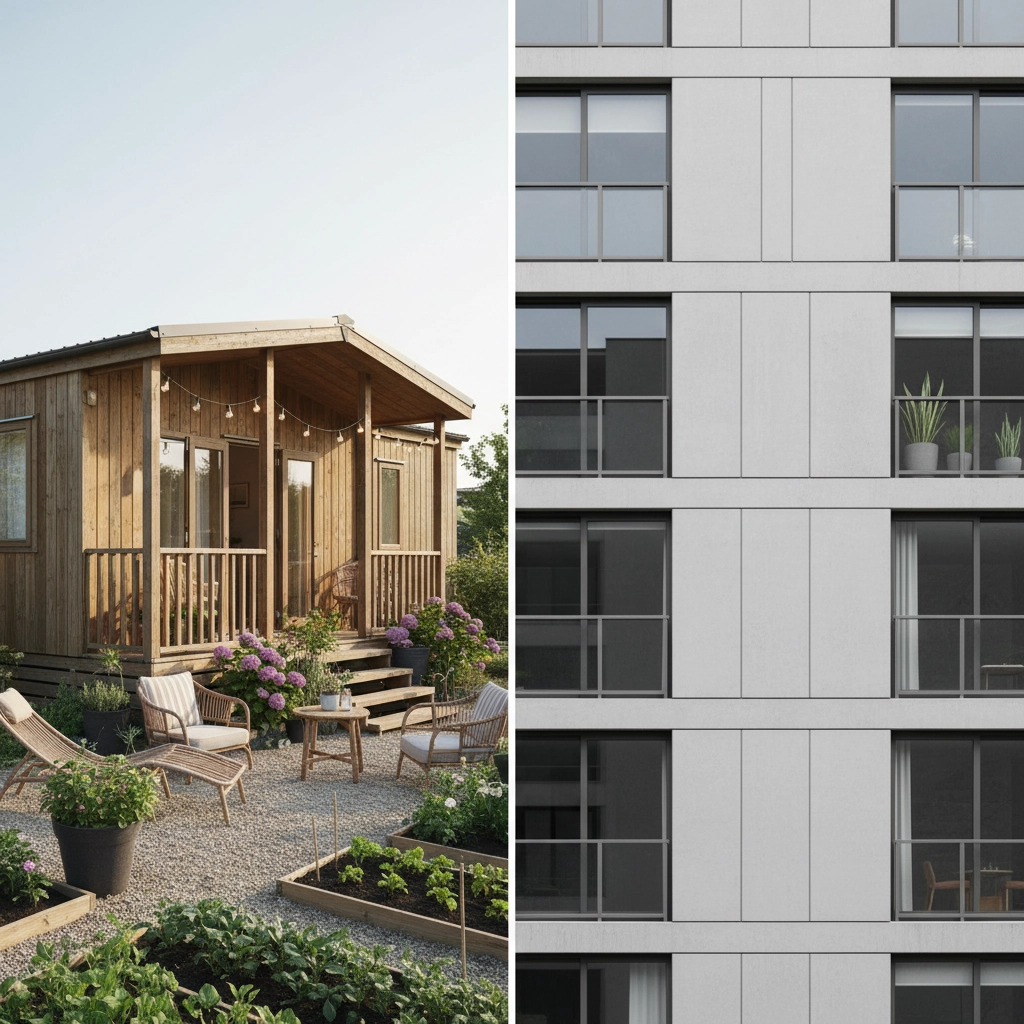
Let's talk about what you actually get for your money. The average one-bedroom apartment in Houston gives you maybe 600-800 square feet if you're lucky. You're sharing walls (and probably hearing your neighbors' late-night TV habits), dealing with limited storage, and forget about having any outdoor space that's actually yours.
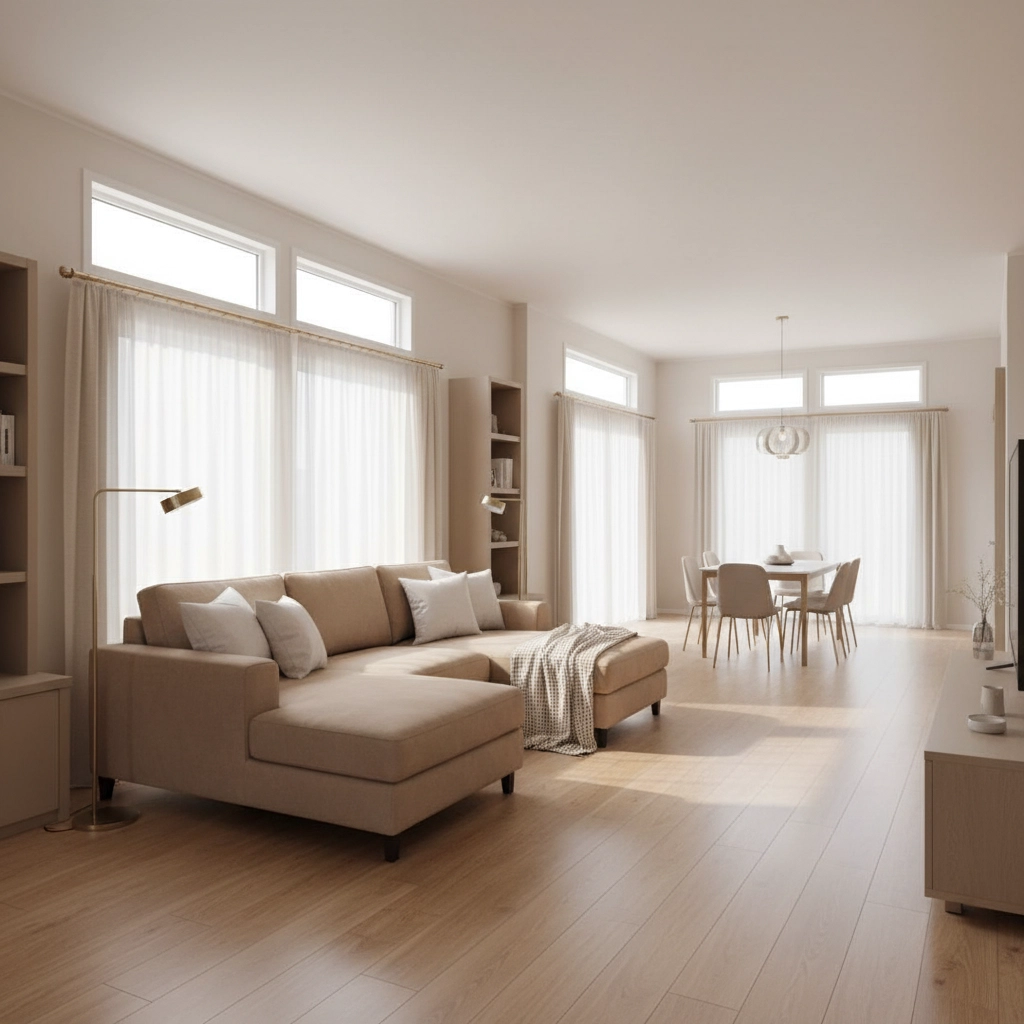
Manufactured homes? That's a whole different story. You're typically looking at 1,200-1,800 square feet, often with multiple bedrooms, your own yard space, and actual privacy. No more tiptoeing around because the downstairs neighbor complains about every footstep.
At Piney Woods Manufactured Home Community, residents get the space to actually live, not just exist. You can have that home office, a guest room for when family visits, and maybe even a workshop or craft room. Try fitting all that into a Houston apartment without breaking the bank.
Location and Lifestyle: Urban Convenience vs. Community Feel
Okay, let's be honest – apartments often win on location convenience. You're typically closer to downtown Houston, shorter commutes to work, walking distance to restaurants and shopping. That's a real advantage if you're someone who thrives on city energy and wants everything at your fingertips.
But here's what apartment living doesn't give you: actual community. In most apartment complexes, you barely know your neighbors' names. manufactured home communities are different. You get to know the people around you, there are community events, and there's a genuine sense of belonging that's hard to find in the apartment world.
Sure, you might have a slightly longer commute from a manufactured home community, but many residents find that trade-off worth it for the peace, quiet, and actual neighborly relationships they build.
Building Wealth vs. Building Your Landlord's Wealth
Here's the big one that a lot of people don't think about until it's too late: equity.
Every month you pay rent, that money is gone forever. It's building your landlord's wealth, not yours. After five years of apartment living, you have nothing to show for those payments except a stack of receipts.
With manufactured home ownership, every payment you make (after the initial purchase) is building your own wealth. You own an asset that can appreciate in value. You can make improvements that benefit you, not someone else. And if you ever decide to move, you can sell your home and take that equity with you.
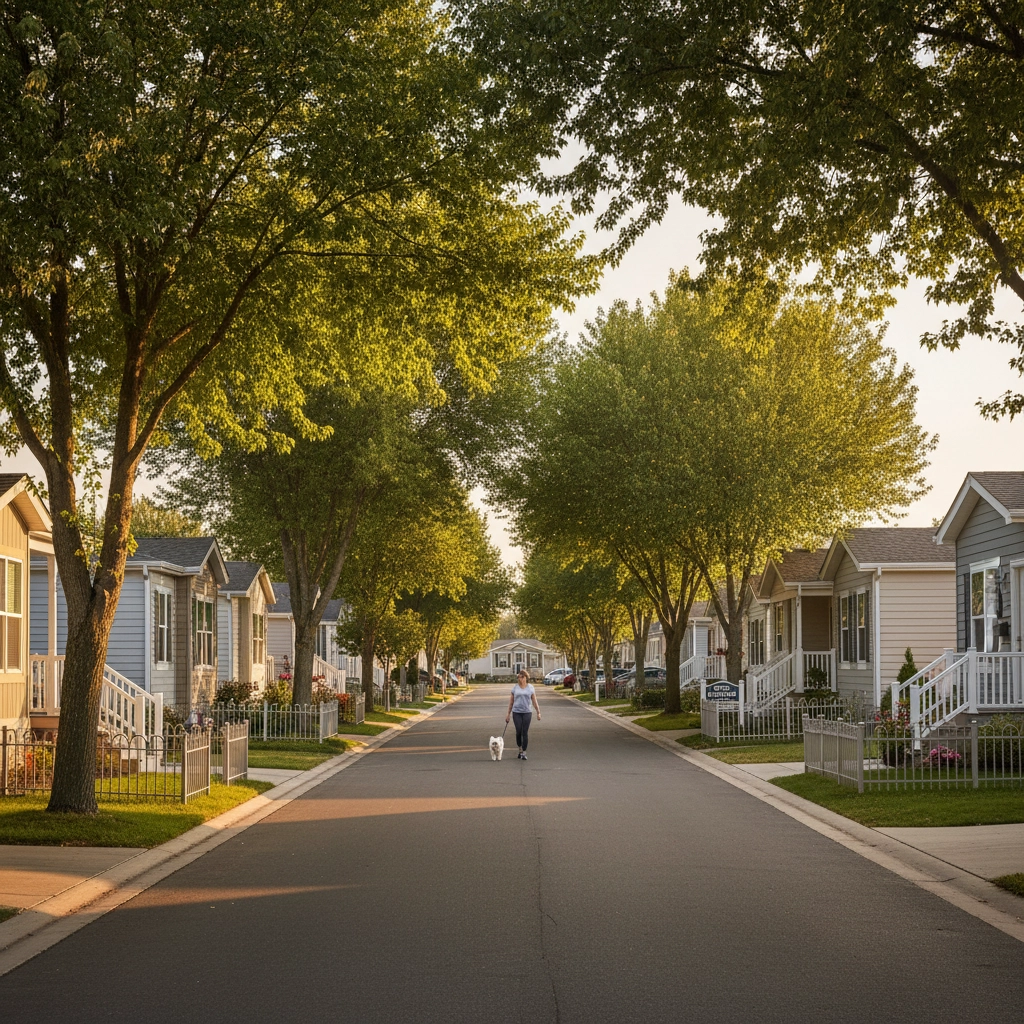
Let's say you spend $1,400 a month on an apartment for five years. That's $84,000 down the drain. Compare that to manufactured home ownership where your lot rent might be $400 monthly ($24,000 over five years), plus you still own a home that has value. The financial difference is massive when you look at the long-term picture.
The Maintenance Reality Check
Now, let's address the elephant in the room: maintenance. In an apartment, when something breaks, you call the landlord and (hopefully) they fix it. In a manufactured home, you're responsible for repairs and upkeep.
Some people see this as a downside, but think about it differently. In an apartment, you're still paying for maintenance – it's just built into your rent. Plus, you have zero control over when things get fixed or what quality of repairs are done.
As a manufactured homeowner, you control the quality and timing of repairs. You can upgrade appliances when you want to, choose your own contractors, and make improvements that actually add value to your investment rather than someone else's property.
Amenities: What Really Matters
Apartment complexes love to brag about their amenities – the gym, the pool, the "luxury" clubhouse. But let's be real: how often do you actually use that tiny, crowded gym or that pool that's always packed with screaming kids?
Manufactured home communities often offer similar amenities, but with a key difference – they're designed for an actual community, not just as marketing gimmicks. The facilities tend to be less crowded and better maintained because the residents have a real stake in the community.
Plus, with your own yard space, you can create your own outdoor living area. Want a garden? Go for it. Want to set up a workshop in your garage? It's your call.
The Flexibility Factor
One legitimate advantage of apartment living is flexibility. If your job transfers you to Dallas next year, you can just finish out your lease and go. With a manufactured home, you'll need to sell, which can take time.
But here's the thing – how often do people actually move as frequently as they think they will? And even if you do need to relocate, selling a manufactured home in a desirable community isn't typically difficult, especially in today's housing market.
Making the Smart Choice for Your Situation
So which option gives you more bang for your buck? For most people looking at Houston-area housing, manufactured home community living comes out way ahead financially, especially over the long term.
Choose manufactured home community living if:
- You plan to stay in the area for at least 3-5 years
- You want to build equity instead of paying someone else's mortgage
- You value space, privacy, and community
- You're okay with handling your own maintenance (or hiring who you want)
- You want significantly lower monthly housing costs
Stick with apartment living if:
- You're only in Houston temporarily
- You absolutely must be in the urban core
- You prefer having maintenance handled by others, regardless of cost
- You're not ready for homeownership responsibilities
The Bottom Line
When you really crunch the numbers and look at what you get for your money, manufactured home community living typically offers 50-60% more value than apartment living in the Houston area. You get more space, build equity, pay less monthly, and become part of an actual community.
The key is finding the right manufactured home community that offers the lifestyle and amenities you want. If you're curious about what community living could look like for you, check out our lifestyle page or visit our FAQ section to get answers to your questions.
Your housing payment is likely your biggest monthly expense. Shouldn't you make sure you're getting the maximum value for that money? For most people in the Houston area, the answer is clear: manufactured home community living delivers more bang for your buck, both now and in the future.